Dr Arnaud Vali runs a dental practice in Neuilly-sur-Seine, France. Forge's work included a technical SEO diagnosis and a 27-page implant-content rebuild on July 15 and 16, 2026. This case separates that delivery from the search visibility and advertising contacts recorded in the client report.
The project combined a technical diagnosis with work on the implant-content cluster. The delivery record confirms a 27-page rebuild. That count describes the work completed, not the number of pages indexed or patients acquired.
The client report also tracks pages receiving Google Search impressions. A page appearing in that report has received an impression; this is a different measure from a complete index-coverage audit.
Search Console recorded 173 clicks and 14,029 impressions from June 22 to August 25, 2026. The rebuild shipped on July 15 and 16, so these totals cannot be described as results from the six weeks after the fix.
The report compares those totals with 72 clicks and 5,910 impressions in a previous period described as two months. Its exact date boundaries are not established here, so this case does not publish a normalized growth multiple.
Delivery: the July report documents a 27-page implant-content rebuild.
Visibility: Search Console and local ranking scans describe what was observed during their stated windows.
Attribution: these observations do not isolate the rebuild from other changes, or establish a patient or revenue increase.
A technical SEO diagnosis preceded the implant-content rebuild. This case reports the documented delivery and subsequent observations without claiming that one diagnosis explains every indexing decision.
The delivery record confirms 27 pages rebuilt on July 15 and 16, 2026. This is a count of pages in the project, not 27 additional indexed pages.
Search Console recorded impressions for 15 pages in June, 24 in July and 27 in August through August 25. The final month is incomplete, and the count is not a daily growth rate.
Local scans record the query, date and measurement point. A position at the practice address is not a city-wide ranking, and a stable review count does not isolate SEO as the cause of a change.
Source: the July and August client report, dated August 28, 2026, using Search Console, local grid scans and Google Ads. The figures below separate reporting windows and measurement types.
| Metric | Value or earlier observation | Period or later observation | Interpretation |
|---|---|---|---|
| Clicks (GSC) | 173 clicks | June 22 to August 25, 2026 | Period begins before the rebuild |
| Impressions (GSC) | 14,029 impressions | June 22 to August 25, 2026 | Search appearances, not visits |
| Implant-content rebuild | 27 pages | July 15 and 16, 2026 | Delivery count |
| Pages receiving impressions | 15 in June 2026 | 27 in August through August 25 | Different-length periods |
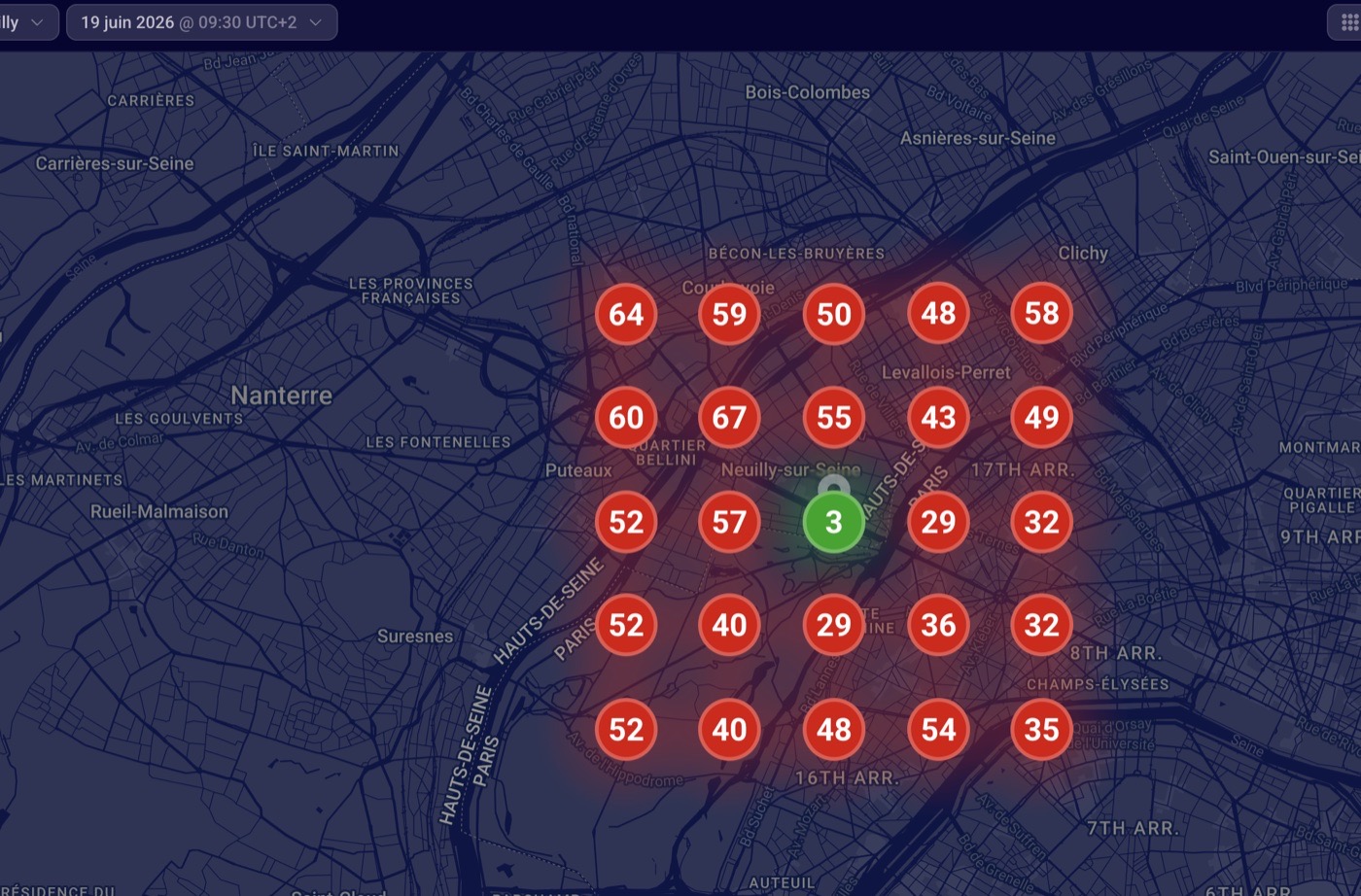
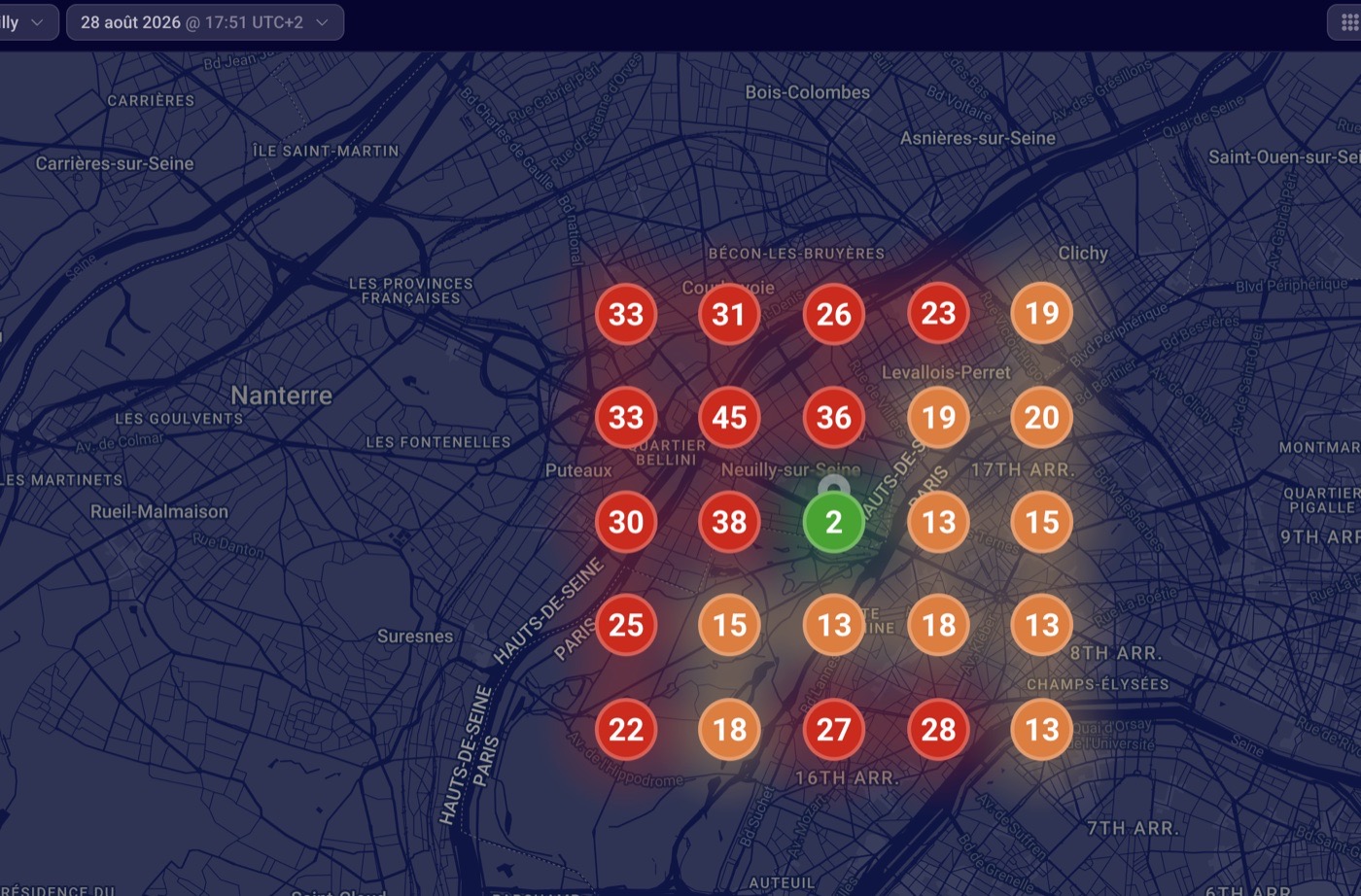
| Map rank at the address, "dentiste" | #4 on June 19, 2026 | #1 on July 13 and August 28, 2026 | One location on the grid |
| Grid points in top 20, "cabinet dentaire" | 1 of 25 on June 19, 2026 | 12 of 25 on August 28, 2026 | Same query and grid; no causal claim |
Value or earlier observation: 173 clicks
Period or later observation: June 22 to August 25, 2026
Interpretation: Period begins before the rebuild
Value or earlier observation: 14,029 impressions
Period or later observation: June 22 to August 25, 2026
Interpretation: Search appearances, not visits
Value or earlier observation: 27 pages
Period or later observation: July 15 and 16, 2026
Interpretation: Delivery count
Value or earlier observation: 15 in June 2026
Period or later observation: 27 in August through August 25
Interpretation: Different-length periods
Value or earlier observation: #4 on June 19, 2026
Period or later observation: #1 on July 13 and August 28, 2026
Interpretation: One location on the grid
Value or earlier observation: 1 of 25 on June 19, 2026
Period or later observation: 12 of 25 on August 28, 2026
Interpretation: Same query and grid; no causal claim
| Month, 2026 | Pages receiving Google Search impressions |
|---|---|
| June | 15 |
| July | 24 |
| August (through August 25) | 27 |
Pages receiving Google Search impressions: 15
Pages receiving Google Search impressions: 24
Pages receiving Google Search impressions: 27
Source: Search Console. This is not an indexed-page count, and the August figure covers an incomplete month.
For "cabinet dentaire", the archived grids show 1 of 25 points in the top 20 on June 19 and 12 of 25 on August 28. The August count has been corrected from the report after checking all 25 displayed positions. This observation applies to that query and grid, not every search in the city.
The report notes no additional reviews during the observed window. That does not control for all other ranking factors. The scans show changes in visibility; they do not prove that the technical and content work alone caused them.
The report records EUR 609 in Google Ads spend and 14 identified contacts for the advertising period ending August 10, 2026. It separately records 16 calls, of which 12 were answered. These are contact and call counts, not attended appointments, treatments or revenue.
The figures in this case are drawn from the client report and its archived Search Console, advertising and local ranking evidence. Access to client data depends on the client's permission.
The click and impression totals begin on June 22, before the July rebuild. Exact dates for the earlier comparison period must be recovered before using it to calculate a comparable growth rate.
This work concerns a dental practice in Neuilly-sur-Seine, France. Its observed search positions and contacts are not evidence of results in another city or country.
The project record documents a technical SEO diagnosis and a 27-page implant-content rebuild completed on July 15 and 16, 2026.
That is not established by the reporting window. The 173 clicks cover June 22 to August 25, beginning before the rebuild. The earlier total is 72 clicks, but its exact date boundaries have not been established here.
For "dentiste", the practice was #4 at its address on June 19 and #1 on July 13 and August 28, 2026. For "cabinet dentaire", the archived grids show 1 of 25 top-20 points on June 19 and 12 of 25 on August 28. These are query-specific observations, not a guarantee of city-wide visibility.
The approach is to diagnose the site's issues, define the work and track comparable measures over time. The priorities and outcomes depend on the practice, its market and its starting point.
Explore Forge's dental SEO services or discuss the scope of your own project in a free initial diagnostic.
Tell us your specialty, your market and the services you want to grow. We review your website and current search visibility, then agree the scope and measurement plan before work starts.
.svg)